Welcome to an in-depth exploration of a vibrant and evolving industry: Dog Grooming Wodonga. This article aims to guide readers through the intricate world of canine care, specifically focusing on how professional dog grooming practices have adapted and thrived in the regional town of Wodonga, Australia. By delving into various aspects, from historical roots to global trends, we will uncover the significance of this industry and its profound impact on both dogs’ lives and the local economy.
Understanding Dog Grooming Wodonga: Unveiling the Basics
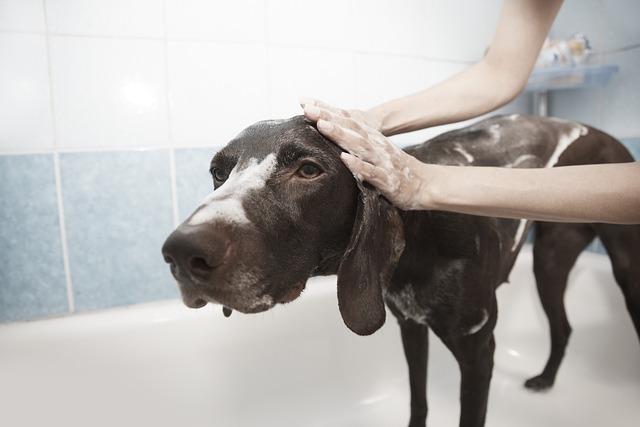
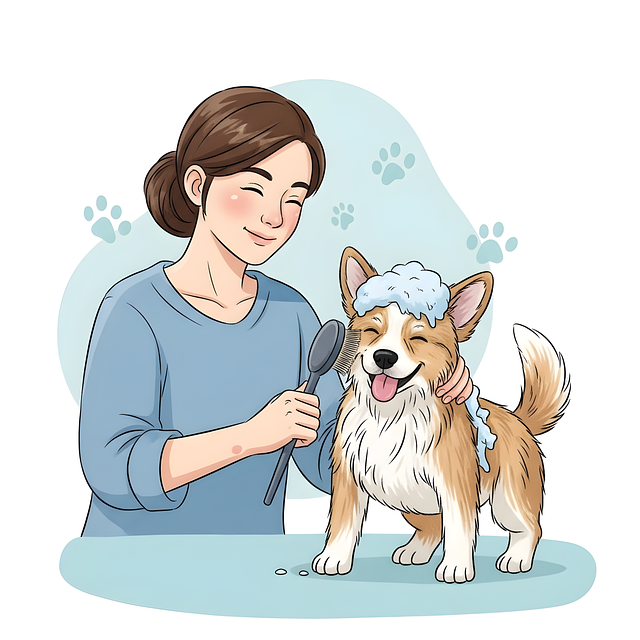
Definition: Dog grooming is a specialized service that involves the meticulous care and maintenance of a dog’s physical appearance and overall health. It encompasses various tasks, including bathing, hair cutting or trimming, nail clipping, ear cleaning, dental care, and even behavioral training. In Wodonga, a thriving community of professional dog groomers has established itself, catering to the growing demand for these services.
Core Components: The primary objectives of dog grooming include:
Hygiene and Health: Maintaining good hygiene is crucial for dogs’ overall well-being. Grooming sessions ensure clean coats, remove mats and tangles, and promote healthy skin.
Safety and Comfort: Proper nail trimming and ear cleaning prevent injuries and discomfort, while dental care enhances oral health.
Behavioral Training: Some groomers incorporate basic obedience commands during grooming, making the process more positive and effective for dogs.
Personalized Care: Each dog is unique, and groomers tailor their services to meet individual needs, whether it’s a luxurious spa experience or a quick refresh.
Historical Context: Dog grooming has roots in ancient civilizations where dogs were not just pets but integral working members of society. Ancient Egyptians, for instance, are known for their meticulous care of dogs, even mummifying them with their owners. Fast forward to the present, and dog grooming has evolved into a professional service industry, particularly gaining momentum in recent decades due to rising pet ownership and an increasing emphasis on animal welfare.
Global Impact and Trends: A World of Canine Care
Dog Grooming Wodonga is not just a local phenomenon; it reflects global trends and influences. The international pet care market is experiencing tremendous growth, driven by several key factors:
Rising Pet Ownership: According to a report by the American Pet Products Association (APPA), over 75% of US households own a pet. Similar trends are observed worldwide, with pets becoming an integral part of many families. This surge in ownership directly contributes to the demand for grooming services.
Humanization of Pets: Many owners view their pets as family members, leading to increased spending on their care. This “humanization” of pets has led to a rise in premium pet products and services, including gourmet food, luxury beds, and specialized grooming.
Global Travel and Migration: With easier travel and migration, people are taking their pets with them, creating a demand for mobile or international grooming services.
Regional Differences: Grooming practices vary across regions, influenced by local climates, cultural norms, and pet ownership trends:
Region
Unique Grooming Practices
Popular Services
North America
Dry grooming (de-shedding) is popular due to the climate and breed preferences.
Luxury spa treatments, dental care packages
Europe
Many countries have strict regulations for mobile groomers, leading to a focus on salon-based services.
Scissors cutting, hand stripping (for breeds like wire haired foxes)
Asia
Hand grooming is prevalent, often involving traditional methods.
Natural shampoos, herbal treatments
Australia
The diverse climate influences techniques, with a focus on keeping coats healthy in hot conditions.
Hydrating treatments, blow drying
Economic Considerations: A Thriving Industry
The dog grooming industry has significant economic implications and contributes to local and national economies in several ways:
Market Dynamics: The global pet care market is valued at over $200 billion (as of 2022) and expected to grow further. Within this, the grooming segment accounts for a substantial share due to its essential nature. In Australia, according to a report by IBISWorld, the pet grooming industry is projected to grow at a compound annual rate of 3.5% from 2021-2025.
Job Creation: Dog groomers are in demand, creating employment opportunities for skilled professionals. Many small businesses and independent contractors operate within the industry, contributing to local job markets.
Economic Impact on Wodonga: As a regional hub, Wodonga benefits from this growing industry. Local dog groomers attract clients from surrounding areas, stimulating economic activity and supporting nearby businesses.
Investment Patterns: Investors recognize the potential of this industry, with many backing startups and established businesses. The rise of mobile grooming services, for instance, has attracted significant investment due to their convenience and reach.
Technological Advancements: Revolutionizing Dog Care
Technology plays a pivotal role in transforming dog grooming practices, improving efficiency, and enhancing customer experiences:
Grooming Tools: Innovations in tools have revolutionized the way groomers work. High-quality shears, clippers, and blow dryers with advanced features enable faster and more precise cuts, reducing the time spent on each dog.
Online Booking Systems: Digital booking platforms allow clients to schedule appointments easily, while GPS tracking for mobile groomers ensures efficient route planning.
Pet Health Apps: Mobile applications provide resources for pet owners, offering grooming tips, health monitoring tools, and remote consultations with vets.
AI and Machine Learning: These technologies are being explored for breed-specific grooming instructions, personalized care recommendations, and even predicting grooming needs based on pet data.
Policy and Regulation: Ensuring Ethical Practices
The dog grooming industry is subject to various policies and regulations that govern its practices, ensuring animal welfare and safety:
Licensing and Registration: Most jurisdictions require groomers to obtain licenses and registrations, demonstrating their expertise and commitment to ethical practices. In Australia, the Australian Animal Welfare Standards provide guidelines for animal care, including grooming services.
Health and Safety: Strict hygiene standards must be maintained to prevent the spread of diseases. This includes regular sanitation of tools, proper disposal of waste, and adherence to food safety regulations for pet treats.
Breed-Specific Guidelines: Certain breeds may require specialized care due to unique traits. Regulations often provide guidelines for these breeds, ensuring groomers are equipped to handle specific needs.
Transportation and Mobile Grooming: Rules for mobile grooming services vary; some regions have specific requirements for vehicle sanitation and equipment storage.
Challenges and Criticisms: Navigating the Issues
Despite its growth, the dog grooming industry faces several challenges and criticisms that require attention:
Welfare Concerns: One of the primary concerns is the potential for stress and injury during grooming, especially in poorly handled dogs. Over-grooming or improper techniques can cause skin irritation and hair loss. Addressing these issues through education and standardized training is essential.
Lack of Standardization: The industry lacks uniform practices, leading to varying quality of services. Establishing clear guidelines and certifications could improve standards across the board.
Mobile Grooming Safety: As mobile grooming gains popularity, ensuring safe travel for dogs and proper handling during transport is crucial.
Strategies for Improvement:
Implementing mandatory training programs for groomers.
Creating industry associations to promote best practices and provide support.
Encouraging continuous learning through workshops and seminars.
Collaborating with veterinary organizations for health guidance.
Case Studies: Exemplary Applications in Wodonga
Case Study 1: Woof! Mobile Grooming
Overview: Woof! is a mobile dog grooming business operating in Wodonga and nearby regions. They offer a unique service, providing grooming at clients’ homes or places convenient for the dogs.
Success Factors:
Convenience: By coming to the dog’s location, Woof! offers a stress-free experience for anxious pets.
Personalized Care: Their groomers are experienced in handling various breeds and temperaments, ensuring tailored care.
Marketing Strategy: Effective use of social media and online reviews has built a loyal customer base, with many clients recommending their services to others.
Case Study 2: Furry Friends Salon
Setting: A popular dog grooming salon located in the heart of Wodonga, catering to both local residents and visitors.
Achievements:
Community Engagement: The salon hosts regular community events, such as adoption drives and fundraising initiatives for local animal shelters.
Education Programs: They offer workshops for pet owners on basic dog care, behavior, and nutrition, fostering a well-informed community.
Eco-Friendly Approach: Furry Friends has embraced sustainable practices, using eco-friendly shampoos and conditioners, and promoting the use of reusable containers.
Future Prospects: Looking Ahead in Wodonga
The dog grooming industry in Wodonga is poised for continued growth and evolution, driven by several emerging trends:
Sustainability Focus: Environmental concerns are influencing grooming practices. Eco-friendly products and packaging will gain popularity, with groomers aiming to minimize waste.
Personalized Services: Customers seek customized experiences for their pets. This trend will lead to more specialized services, including luxury packages and unique treatments.
Technological Integration: AI and automation will play a larger role, from predictive grooming schedules to advanced pet health monitoring systems.
Online Presence: Groomers will continue to build strong online brands, utilizing social media and e-commerce platforms for marketing and sales.
Conclusion: A Thriving Canine Care Community
Dog Grooming Wodonga represents more than just a service industry; it is a testament to the deep bond between humans and their canine companions. Through professional grooming practices, local businesses contribute significantly to pet welfare, economic growth, and community development. As the industry continues to evolve, Wodonga stands as a prime example of how regional initiatives can thrive and make a global impact.
FAQ Section: Answering Common Queries
Q: How do I choose a reputable dog groomer?
A: Look for licensed and insured professionals with positive customer reviews. Ask for references and ensure they have experience with your dog’s breed or coat type.
Q: What are the signs that my dog needs grooming?
A: Regular shedding, matted fur, bad breath, ear or skin irritations, and unkempt nails are indicators. A good groomer will also assess your dog’s overall health and behavior.
Q: Are there any risks associated with mobile grooming services?
A: When chosen carefully, mobile groomers provide safe and convenient services. Ensure they have proper insurance and experienced staff to handle any potential issues during transport.
Q: How often should my dog be groomed?
A: The frequency depends on your dog’s breed, coat type, activity level, and general health. As a rule of thumb, regular grooming (every 6-8 weeks) helps maintain hygiene and prevent matting.
Q: Can technology really enhance dog grooming?
A: Absolutely! Technology offers safer, more efficient tools, online resources for owners, and even AI assistance. It streamlines the process, improves customer experiences, and enables groomers to provide better care.
Paw4paws Dog Grooming naturally emphasizes holistic pet ear health through regular inspection, gentle cleaning with natural solutions, and education for owners. Their meticulous process prevents infections, using specialized tools and techniques…….
Dogs with sensitive skin require specialized care focusing on allergies, irritants, and underlying conditions. Dog grooming naturally uses gentle products like colloidal oatmeal shampoos to soothe irritation and reduce inflammation. Regular brus…….
Paw4paws Dog Grooming naturally specializes in large dog grooming, addressing breed-specific challenges like dense coats, sensitive skin, and joint issues. They offer tailored care, comfort-focused techniques, and post-grooming instructions. The…….
Paw4Paws offers Dog Grooming naturally through holistic techniques using organic products. Services include bathing, brushing, deep cleaning, restorative grooming, puppy grooming, and environmental practices to promote canine health and happines…….
Dog Grooming Wodonga naturally with tea tree oil shampoos leverages its antimicrobial, antifungal, and anti-inflammatory properties for significant benefits. Research supports its effectiveness in treating dermatological conditions, promoting im…….
Paw4paws Dog Grooming in Wodonga offers a cage-free, stress-relieving environment for dog grooming, prioritizing comfort and well-being with individualized attention from skilled groomers. Their unique approach enhances physical and mental healt…….
Understanding your dog's unique grooming needs is vital for their health and happiness. Paw4Paws offers tailored dog grooming services for all breeds, from regular baths and brushes to specialized styling. Professional dog grooming includes…….
Paw4Paws offers expert dog grooming services tailored to each canine's unique needs, from sensitive skin to complex coats. Using high-quality, dog-friendly products and gentle techniques, our team provides personalized care, ensuring your p…….
Paw4Paws offers tailored dog grooming services using gentle techniques for brushing, cleaning, and conditioning. Professional brush downs enhance hygiene, reduce shedding, and promote skin health, strengthening the bond between pet and owner. Th…….
Tea tree oil shampoo is a valuable addition to Dog Grooming Wodonga routines due to its antimicrobial and anti-inflammatory properties, effectively treating skin issues and soothing coats. Choose products specifically formulated for dogs, free f…….
Paw4paws Dog Grooming provides personalized care for every dog, addressing unique needs and conditions from sensitive skin to matted coats using advanced techniques and high-quality products. Their expert team offers specialized treatments and t…….
Paw4paws Dog Grooming offers a calming, personalized approach to address dog anxiety during grooming. Their skilled team uses gentle techniques, comfort items, and adjusted environments to create a safe space, reducing stress and building trust…….
Paw4Paws is Wodonga's top dog grooming service, focusing on flea prevention with gentle, effective shampoo treatments. They offer tailored care, expert advice, and proactive health solutions for your pet's well-being. Follow their simp…….
Paw4paws Dog Grooming provides expert care for all dog breeds and sizes. Their groomers offer customized services from bathing to styling, ensuring pets look impeccable with personalized attention to health and well-being. Trust Paw4paws for sup…….
Paw4paws Dog Grooming offers personalized services for Wodonga and Albury dogs of all breeds and coats. Their expert team provides spa rituals to precise cutting using premium products. They prioritize comfort and create a calming experience, ca…….
Paw4paws Dog Grooming provides personalized services for all canine sizes, offering baths, nail trimming, fur care and styling using advanced techniques and gentle handling to ensure dogs leave looking their best with enhanced natural beauty.”Di…….
Paw4Paws offers personalized dog grooming services for all breeds and sizes. From basic washes to advanced treatments, our expert team uses top-tier products for safety and comfort. We tailor grooming solutions based on size and coat type, ensur…….
Paw4Paws is Wodonga's top dog grooming service for all breeds and ages. Experienced groomers offer personalized care, using gentle products and modern equipment. State-of-the-art facility ensures a stress-free experience. From baths to spec…….
Paw4Paws is Wodonga's top dog grooming service, catering to all breeds and temperaments. They prioritize gentle care, offering specialized techniques for anxious dogs and aggressive behavior. Customized plans, natural products, and a calm a…….
Paw4paws offers expert Dog Grooming services tailored to each canine's unique needs and preferences. Their dedicated team provides gentle care, from basic baths to specialized treatments, using high-quality tools and stress-free environment…….